
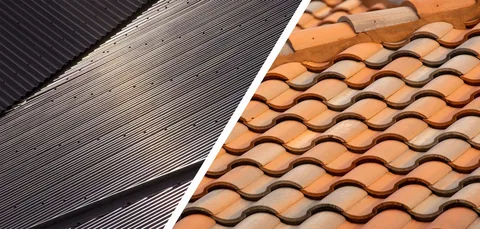
Choosing a roofing material is an important decision for any homeowner. The roof affects the appearance of the property, protection from weather, maintenance needs, and the long-term cost of owning the home.
Metal and tile are both popular roofing options, but they have different characteristics. Understanding the advantages and disadvantages of each can help you determine which material better fits your home, budget, and long-term plans.
Metal Roofing: An Overview
Metal roofing is available in several materials, including steel, aluminum, and other metal products. It can be manufactured in different profiles and finishes, making it suitable for many home styles.
Modern metal roofing is designed to provide durable protection while requiring relatively little maintenance when properly installed.
Pros of Metal Roofing
Long-Lasting Performance
Quality metal roofing can provide many years of service when it is properly installed and maintained. Its resistance to common weather conditions makes it a popular option for homeowners looking for a durable roofing material.
Lightweight Construction
Metal roofing is generally lighter than tile. This can make it easier to install on some structures and may reduce concerns about adding substantial weight to the roof system.
The existing roof structure should still be evaluated before installation to make sure it can support the selected roofing system.
Low Maintenance
Metal roofs generally do not require extensive routine maintenance. Periodic inspections can help identify loose fasteners, damaged panels, corrosion, or other issues before they become more serious.
Keeping the roof and drainage system clear can also help protect the overall roofing system.
Modern Appearance
Metal roofing is available in various profiles, colors, and finishes. This gives homeowners flexibility when matching the roof to the architectural style of the property.
Some metal products can also be designed to resemble other roofing materials.
Cons of Metal Roofing
Higher Initial Cost
Depending on the material and installation requirements, a metal roof can have a higher upfront cost than some conventional roofing options.
The total price depends on the type of metal, roof size, design complexity, underlayment, flashing, labor, and other project requirements.
Can Be Noisy
Rain and other impacts may be more noticeable on a metal roof, particularly when the roof assembly does not provide adequate insulation or sound reduction.
The construction of the roof system can influence how much sound reaches the interior of the home.
Installation Requires Experience
Metal roofing must be installed correctly to perform as intended. Poorly installed panels, flashing, fasteners, or penetrations can create opportunities for leaks and other problems.
Working with an experienced roofing contractor is important when choosing this material.
Tile Roofing: An Overview
Tile roofing can be made from materials such as clay or concrete. It is often associated with Mediterranean, Spanish, coastal, and other architectural styles.
Tile can provide a distinctive appearance while offering durable protection when the roof system is properly designed and maintained.
Pros of Tile Roofing
Distinctive Appearance
Tile roofing can add strong visual character to a home. The shape, color, and texture of tile can complement certain architectural designs particularly well.
For homeowners who place a high priority on traditional or distinctive roof aesthetics, tile offers many design possibilities.
Durable Material
Tile is a durable roofing material that can withstand many normal weather conditions. Individual tiles can last for a long time when the roof is properly installed and maintained.
The underlayment and other components beneath the tile are also important parts of the complete roofing system.
Resistant to Many Weather Conditions
Tile can provide good resistance to sunlight, moisture, and many weather conditions. Proper installation helps ensure that the roofing system performs effectively over time.
As with any roofing material, severe weather can still cause damage that requires inspection and repair.
Low Maintenance Requirements
Tile does not require frequent replacement simply because the material is exposed to the elements. Regular inspections can help identify cracked, broken, or displaced tiles and other issues.
Addressing damaged tiles early can help prevent water from reaching areas beneath the roofing system.
Cons of Tile Roofing
Heavier Than Metal
Tile is significantly heavier than metal roofing. Before installing tile, the roof structure should be evaluated to make sure it is appropriate for the additional weight.
Structural considerations can affect both the installation process and project cost.
Higher Installation Requirements
Tile roofing requires careful installation. The roof deck, underlayment, flashing, tile placement, and other components all need to work together correctly.
The installation process can also be more labor-intensive than some other roofing systems.
Tiles Can Break
Although tile is durable, individual tiles can crack or break from impacts, severe weather, improper handling, or foot traffic.
Damaged tiles should be replaced when necessary to help maintain the roof’s protective function.
Metal vs Tile: Cost Considerations
The cost of either roofing system depends on several factors. These can include:
- Roof size
- Roof pitch
- Material selection
- Roof design
- Existing roof condition
- Underlayment
- Flashing requirements
- Labor
- Removal of existing roofing
- Structural modifications
A lower initial price does not necessarily mean a lower long-term cost. Homeowners should consider expected service life, maintenance, repairs, and installation requirements when comparing estimates.
Metal vs Tile: Maintenance
Both materials can perform well with proper maintenance.
Metal roofing should be inspected for signs of corrosion, damaged panels, loose fasteners, and problems around flashing and penetrations.
Tile roofing should be checked for cracked or displaced tiles, damaged flashing, deteriorated underlayment, and areas where water may be entering the roofing system.
Regular professional inspections can help identify developing problems before they result in more extensive repairs.
Which Roofing Material Fits Your Home?
There is no single roofing material that works for every property. The right choice depends on the home’s structure, architectural style, budget, climate, maintenance expectations, and desired appearance.
Metal may appeal to homeowners who want a lightweight roofing system with a modern appearance and relatively low maintenance needs.
Tile may be a better fit for homeowners who want a distinctive appearance and a durable roofing material that complements a particular architectural style.
A professional roof evaluation can help determine which option is appropriate for the structure.
Why Choose Saltwater Roofing Inc.?
Saltwater Roofing Inc. can help homeowners understand their roofing options and make informed decisions based on the condition and design of their property.
Before choosing a material, a roofing professional can evaluate the existing roof, identify structural or installation considerations, and explain what the project may involve.
Professional planning is especially important when changing from one roofing material to another because the weight, installation method, underlayment, and structural requirements may differ.
Make an Informed Roofing Decision
Metal and tile roofing can both provide long-term protection when the right material is properly installed and maintained. The important factors include more than appearance or initial price.
Consider the roof structure, material weight, installation requirements, maintenance needs, expected performance, and overall project cost before making your choice.
If you are considering a new roof or replacing an existing roofing system, Saltwater Roofing Inc. can help you evaluate your options and plan the next step for your home.