
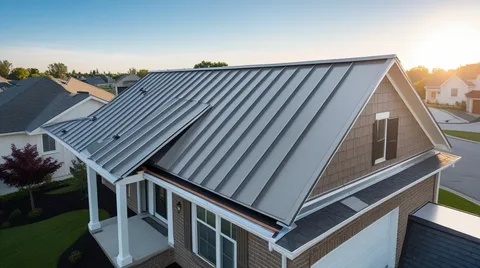
A metal roof can provide many years of protection when it is properly installed and maintained. While metal roofing generally requires less maintenance than some other roofing materials, it still needs regular attention to keep the panels, fasteners, flashing, and drainage system in good condition.
Small issues can become more difficult and expensive to repair when they are left untreated. A simple maintenance routine can help homeowners identify problems early and keep their metal roof performing properly.
Inspect Your Roof Regularly
Regular roof inspections are one of the simplest ways to protect a metal roofing system.
Look for visible signs of damage such as:
- Loose or damaged panels
- Rust or corrosion
- Loose fasteners
- Damaged flashing
- Open seams
- Damaged sealant
- Scratches or exposed metal
- Signs of water intrusion
A professional inspection can also identify problems that may not be visible from the ground.
Keep the Roof Free of Debris
Leaves, branches, dirt, and other debris can collect on a metal roof, particularly around valleys, roof edges, vents, and other areas where materials naturally accumulate.
Debris can hold moisture against the roof surface and interfere with proper drainage. After storms or periods of heavy wind, check the roof for fallen branches and other materials.
Avoid walking on the roof unless you know the manufacturer’s requirements and proper safety procedures. Improper foot traffic can damage panels or coatings.
Keep Gutters and Downspouts Clear
Your metal roof depends on an effective drainage system to move rainwater away from the property.
Clean gutters and downspouts regularly so leaves and debris do not restrict water flow. Check that downspouts are securely connected and direct water away from the home’s foundation.
Overflowing gutters can allow water to reach areas of the roof and exterior that are not designed to handle constant runoff.
Check for Rust and Corrosion
Many metal roofing systems have protective coatings designed to reduce corrosion. However, scratches, damaged coatings, moisture, and other conditions can eventually lead to rust.
Inspect exposed areas for discoloration, bubbling, peeling coatings, or visible corrosion.
Do not simply paint over significant rust without determining the cause and properly preparing the affected area. A roofing professional can recommend the appropriate repair method based on the material and condition of the roof.
Inspect Fasteners and Seams
Fasteners and seams are important parts of a metal roofing system. Over time, fasteners can loosen or seals can deteriorate.
Look for:
- Missing fasteners
- Loose fasteners
- Damaged washers
- Open seams
- Deteriorated sealant
- Gaps around roof penetrations
These areas can become potential entry points for water if they are not addressed.
Repairs should be completed using compatible materials and methods recommended for the roofing system.
Keep Tree Branches Away From the Roof
Overhanging branches can scrape against metal panels during windy conditions. Branches can also drop onto the roof and cause dents or scratches.
Trees near the home should be inspected regularly. Trimming branches that extend over the roof can reduce the risk of physical damage and keep leaves from accumulating on the roofing system.
Tree work should be handled safely and by an appropriately qualified professional when branches are difficult to reach.
Clean the Roof Carefully
Metal roofing can collect dirt, pollen, leaves, and other surface debris. In some situations, gentle cleaning can help maintain the appearance of the roof.
Avoid abrasive tools, harsh chemicals, or cleaning methods that could damage the protective coating. Always follow the roofing manufacturer’s maintenance recommendations.
If the roof has significant staining, biological growth, or coating damage, professional advice can help determine the safest cleaning approach.
Pay Attention to Flashing
Flashing helps protect areas where the roof meets walls, chimneys, vents, skylights, and other structures.
Because these transitions can be more vulnerable to water intrusion, flashing should be inspected regularly for damage, separation, corrosion, or deteriorated sealant.
A problem with flashing can allow water to enter beneath the roofing system even when the metal panels themselves appear to be in good condition.
Watch for Signs of Water Damage
Water stains inside the home can indicate a roofing problem. Check ceilings, walls, and attic areas for signs such as:
- Water stains
- Damp insulation
- Musty odors
- Peeling paint
- Discolored wood
- Moisture around roof penetrations
A leak does not always appear directly below the point where water enters the roof. If you notice signs of water intrusion, have the roofing system inspected to identify the actual source.
Schedule Professional Roof Inspections
Homeowners can perform basic visual checks, but professional inspections provide a more detailed assessment.
A roofing professional can examine the panels, fasteners, flashing, seams, coatings, drainage system, and other components that affect the roof’s performance.
Professional inspections are especially useful after severe weather, when purchasing a home, or when the roof has developed signs of damage.
Address Storm Damage Quickly
Strong winds, hail, falling branches, and other severe weather can damage metal roofing.
After a major storm, look for visible changes such as dents, displaced panels, damaged flashing, or debris on the roof. Some damage may not be obvious from ground level.
If you suspect storm damage, schedule a professional inspection rather than attempting to climb onto the roof yourself.
Avoid Unapproved Repairs
Metal roofing systems are designed with specific materials, coatings, fasteners, and installation methods. Using incompatible products or making improper repairs can create additional problems.
Before applying sealants, coatings, paint, or other products, check the manufacturer’s recommendations or consult a roofing professional.
The correct repair method depends on the type of metal roof and the location and severity of the damage.
Why Choose Saltwater Roofing Inc.?
Saltwater Roofing Inc. helps homeowners protect their roofing systems through professional roofing services and maintenance support.
Proper maintenance involves more than checking the visible surface of the roof. Panels, flashing, fasteners, seams, drainage, and other components all contribute to the roof’s performance.
When you notice damage or are unsure about the condition of your metal roof, professional evaluation can help you determine whether maintenance, repair, or further inspection is needed.
Protect Your Metal Roof for the Long Term
Regular maintenance can help keep a metal roof in good condition and reduce the chance of small problems becoming major repairs. Keep the roof and gutters clear, inspect for damage, monitor flashing and fasteners, maintain nearby trees, and schedule professional inspections when needed.
If your metal roof has developed rust, leaks, storm damage, loose components, or other concerns, Saltwater Roofing Inc. can help evaluate the condition of the roofing system and determine the appropriate next step.